Everything About Soffit Installation Benefits
When it comes to protecting your home and enhancing its curb appeal, soffits play a crucial role. These often-overlooked components are essential for proper ventilation and moisture control in your attic and roof structure. In this post, I will walk you through everything you need to know about soffits, focusing on their benefits, installation process, and maintenance tips. Whether you are considering a new installation or replacement, this guide will help you make informed decisions to keep your home safe and comfortable.
Understanding Soffit Installation Benefits
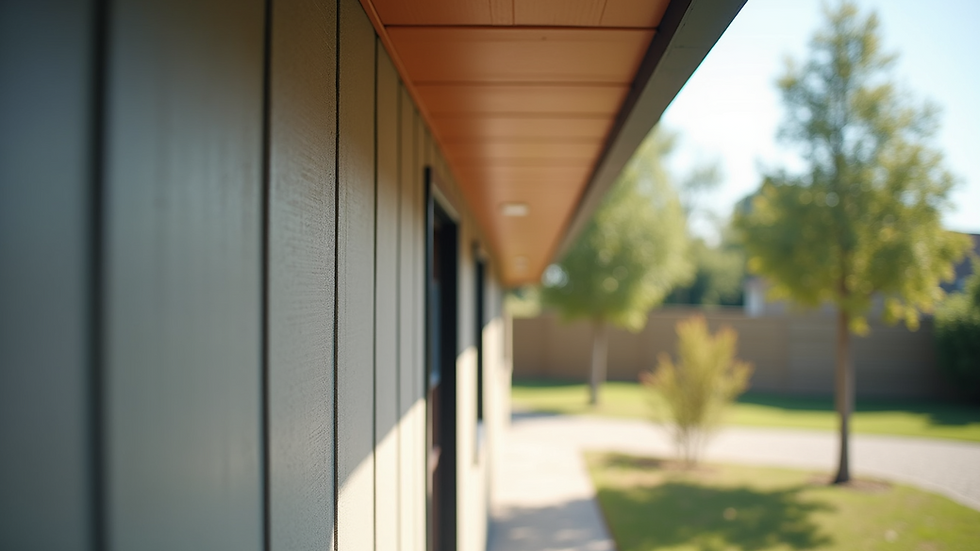
Soffits are the horizontal panels that cover the underside of your roof’s overhang. They serve several important functions that contribute to the health and longevity of your home. Here are some key benefits of soffits:
Ventilation: Soffits allow fresh air to enter the attic, which helps regulate temperature and moisture levels. Proper ventilation prevents mold growth and wood rot.
Protection: They shield the rafters and roof structure from weather elements like rain, snow, and pests.
Energy Efficiency: By improving attic ventilation, soffits help reduce cooling costs in the summer and prevent ice dams in the winter.
Aesthetic Appeal: Soffits provide a clean, finished look to your roofline, enhancing your home’s exterior appearance.
Installing or replacing soffits is a smart investment that pays off in the long run by protecting your home’s structural integrity and improving energy efficiency.
How to Choose the Right Soffit Material
Choosing the right material for your soffits depends on your budget, climate, and maintenance preferences. Here are the most common options:
Vinyl Soffits:
Affordable and low maintenance
Resistant to rot and insects
Available in various colors and styles
Easy to install and clean
Aluminum Soffits:
Durable and lightweight
Resistant to rust and corrosion
Can be painted to match your home
Good for areas with extreme weather
Wood Soffits:
Traditional and natural look
Can be painted or stained
Requires regular maintenance to prevent rot and insect damage
More expensive and labor-intensive to install
Fiber Cement Soffits:
Extremely durable and fire-resistant
Low maintenance
Can mimic wood appearance
Higher upfront cost
When selecting a material, consider the climate in Northeast Indiana and Southeast Michigan, where winters can be harsh and moisture control is critical. Vinyl and aluminum are popular choices here due to their durability and low upkeep.
How Expensive Is It to Replace Soffits?
Replacing soffits is a worthwhile home improvement, but it’s important to understand the costs involved. The price depends on several factors:
Material: Vinyl soffits typically cost between $3 and $7 per linear foot, while aluminum ranges from $4 to $8. Wood and fiber cement are more expensive, often $8 to $12 per linear foot.
Labor: Professional installation usually costs $2 to $5 per linear foot, depending on the complexity of the job and local labor rates.
Size of the Project: The total cost will depend on the length of your roof overhang and whether you are replacing all soffits or just sections.
Additional Repairs: If there is damage to the fascia, rafters, or underlying structures, repair costs will add to the total.
On average, homeowners in Northeast Indiana and Southeast Michigan can expect to pay between $1,000 and $3,000 for a full soffit replacement. This investment helps prevent costly water damage and improves your home’s energy efficiency.
Step-by-Step Guide to Soffit Installation
If you are handy and want to tackle soffit installation yourself, here is a straightforward guide to help you through the process. Remember, safety first - use proper ladders and protective gear.
Tools and Materials Needed:
Soffit panels (vinyl, aluminum, etc.)
J-channel and F-channel trim
Measuring tape
Circular saw or tin snips
Hammer and nails or screw gun and screws
Ladder
Safety glasses and gloves
Installation Steps:
Measure the Area:
Measure the length of the roof overhang to determine how much soffit material you need.
Remove Old Soffits:
Carefully remove any existing soffit panels and inspect the rafters for damage.
Install J-Channel:
Attach J-channel trim along the wall where the soffit will meet the house. This provides a neat edge for the soffit panels.
Attach F-Channel:
Secure F-channel along the fascia board to hold the soffit panels in place.
Cut Soffit Panels:
Cut the soffit panels to the correct length using a circular saw or tin snips.
Install Panels:
Slide the soffit panels into the J-channel and F-channel, securing them with nails or screws. Leave a small gap for expansion.
Ventilation:
If using vented soffit panels, ensure they are evenly spaced to allow airflow.
Inspect and Finish:
Check for any gaps or loose panels and make adjustments as needed.
If you prefer, hiring a professional ensures the job is done quickly and correctly, especially if your roofline is complex.

Maintaining Your Soffits for Long-Term Protection
Once your soffits are installed, regular maintenance will keep them functioning well and looking good. Here are some practical tips:
Clean Annually: Use a soft brush or low-pressure washer to remove dirt, cobwebs, and debris.
Inspect for Damage: Check for cracks, holes, or loose panels, especially after storms.
Check Ventilation: Make sure vented soffits are not blocked by insulation or debris.
Paint or Seal: For wood soffits, repaint or reseal every few years to prevent moisture damage.
Pest Control: Look for signs of insect or bird nests and address them promptly.
Routine maintenance helps avoid costly repairs and extends the life of your soffits.
Why Soffit Installation Matters for Your Home’s Health
Proper soffit installation is more than just an aesthetic upgrade. It plays a vital role in protecting your home from water damage, mold, and structural issues. In regions like Northeast Indiana and Southeast Michigan, where weather conditions can be challenging, having well-ventilated and durable soffits is essential.
If you want to learn more about professional soffit installation, consider reaching out to experts who understand local climate challenges and can provide tailored solutions. Investing in quality soffits today means peace of mind and a healthier home tomorrow.


Comments